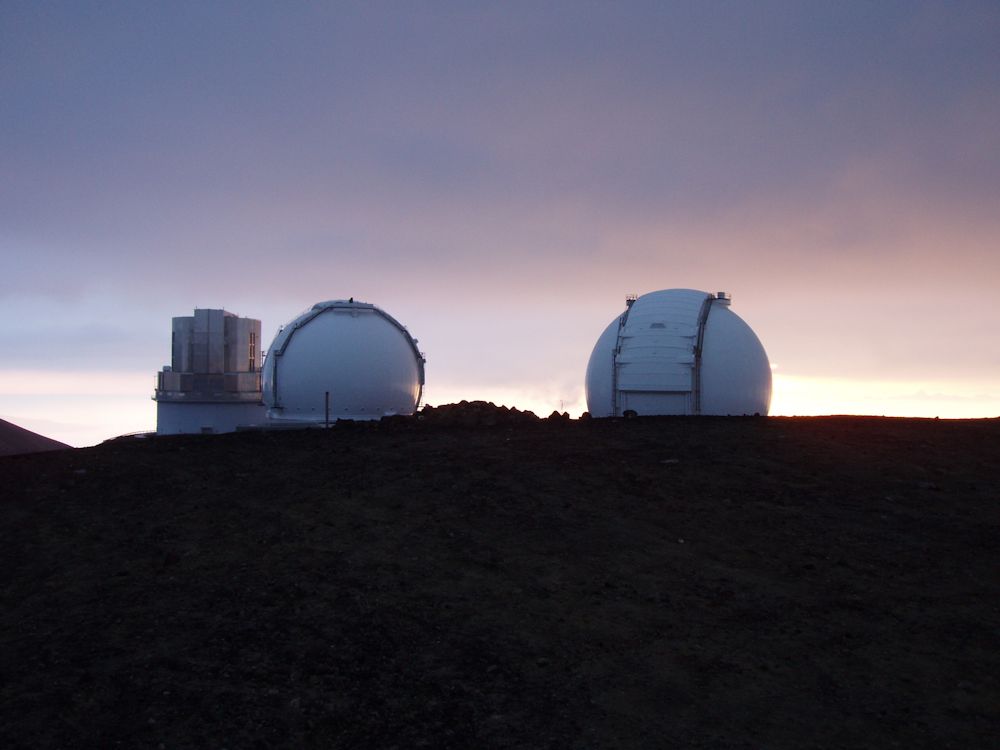
Observatories at the Mauna Kea summit
|
|
|
|
|
|
|
|
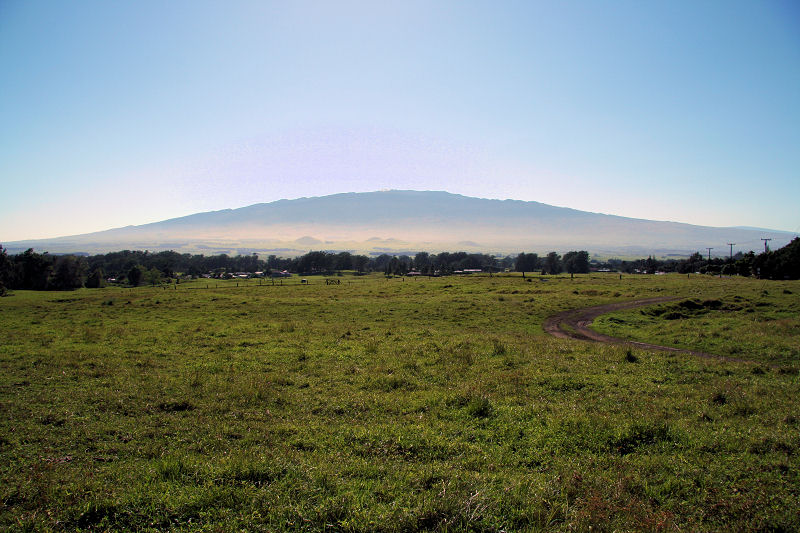
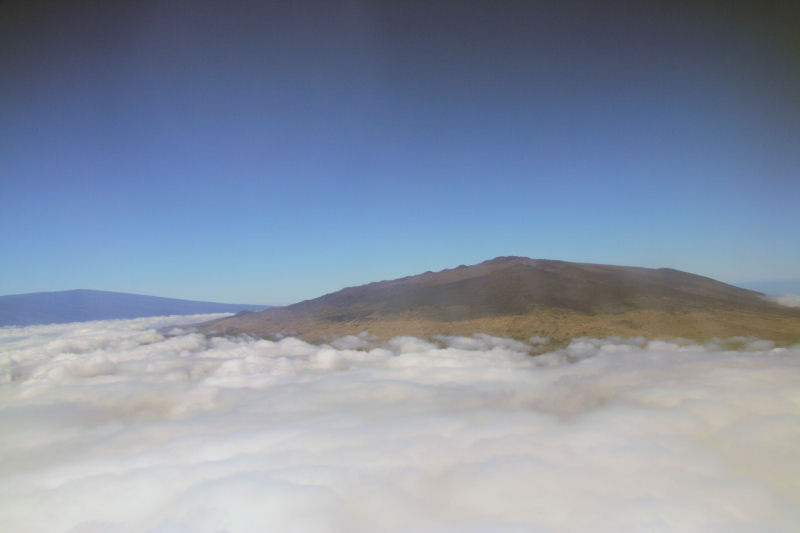
Mauna Kea - The White Mountain
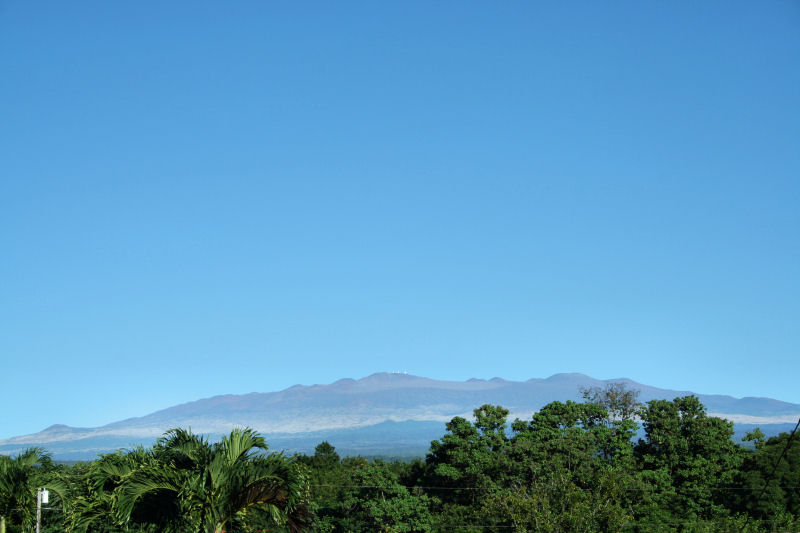
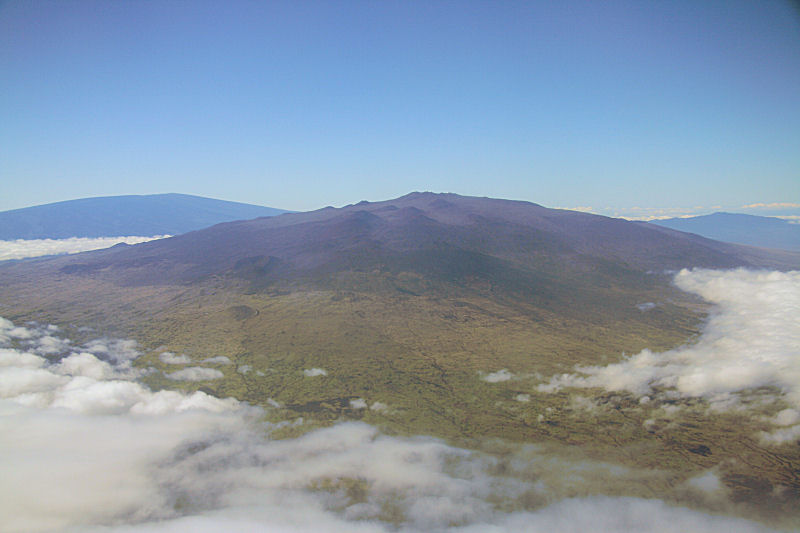
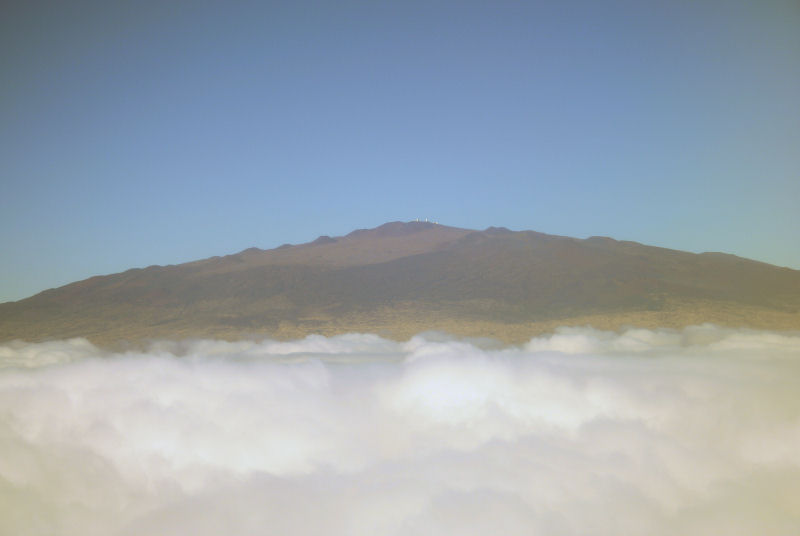
 The ancient Hawaiians named it Mauna kea, which means White Mountain for the snow that covered its barren slopes nearly 2,000 years ago. The summit of Mauna Kea rises 13,796 feet above sea level. At its summit, temperatures are frigid, but the view is
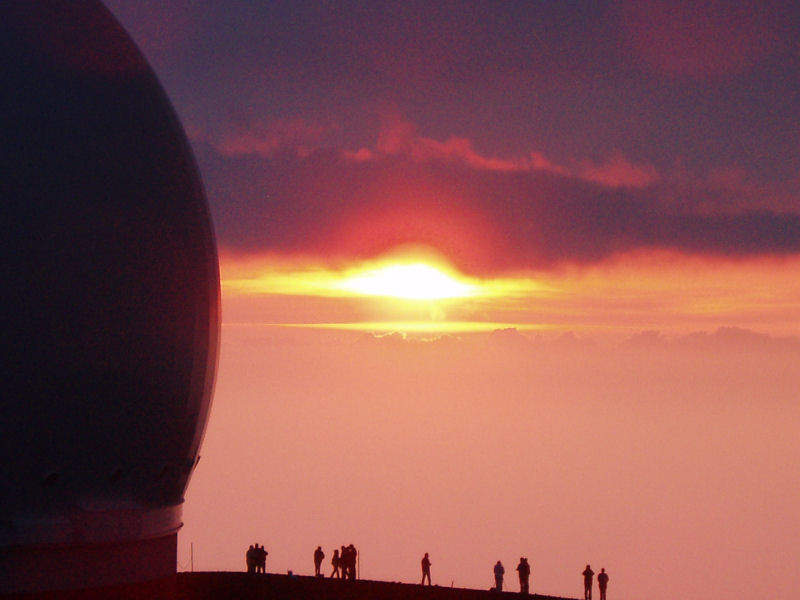
 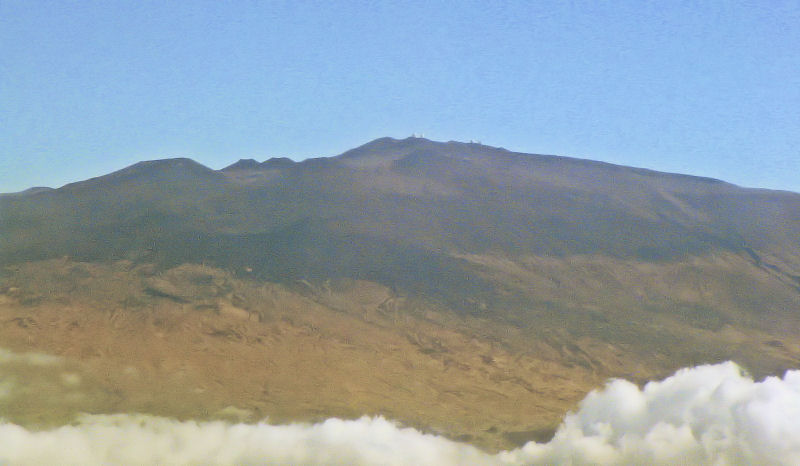 magnificent! The ancient Hawaiians thought of the top of Mauna Kea as heaven - or at least where the Gods and Goddesses lived. Today, the summit of Mauna Kea houses the world’s largest telescopes.
 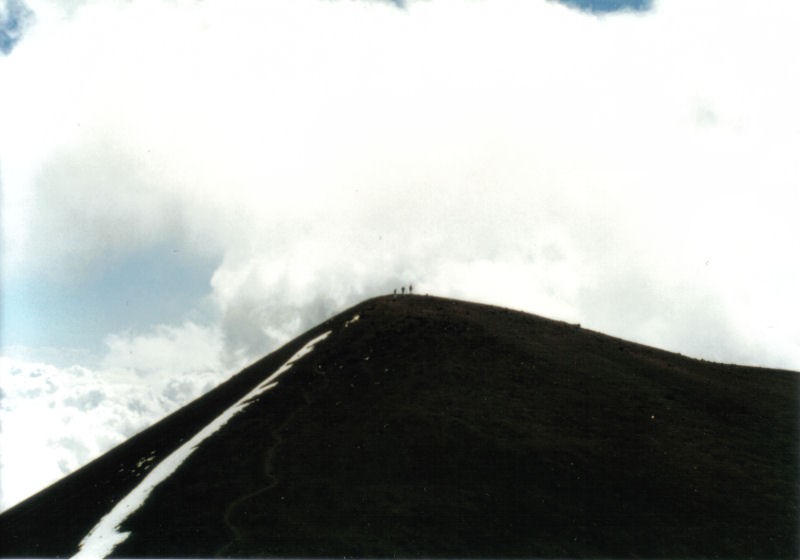 These telescopes have the most un-obscured view of the skies than any other telescopes in the northern hemisphere. At this altitude and location, they are located above 40% of the earth’s atmosphere; above the clouds and undisturbed by city lights, these telescopes are the window into the Universe.
Driving up to Mauna Kea
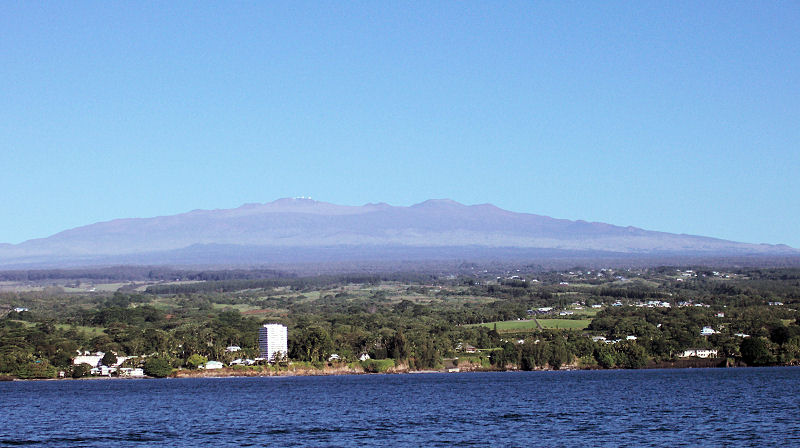 From the Saddle Road, it is 14.7 miles to the summit. The Onizuka Center for International Astronomy is 6 miles up Mauna Kea Road at 9,200 feet. Beyond the Visitor’s Center the road isunpaved for 5 miles before it becomes paved again for the last 3.7 miles.
You are allowed to access the top of the mountain in any vehicle — however, a 4WD is especially nice because the unpaved portion is somewhat steep and can get a bit slippery (especially coming down the mountain).
 Those looking for a real challenge can opt to hike the tail from the Visitor’s Center to the top. It’s 15 miles round trip and a very tough day hike. You should make a very early start and follow our Big Island Hiking Tips. Check out the Mauna Kea Web Cams.
Looking for a guided tour? Check out the Mauna Kea Summit and Stars adventure, taking you to the top of Mauna Kea!
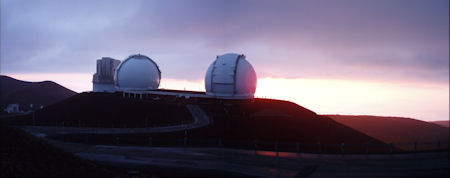
Mauna Kea Observatories at dusk
Photo contribution by Tony Braim
Night Star Gazing Program
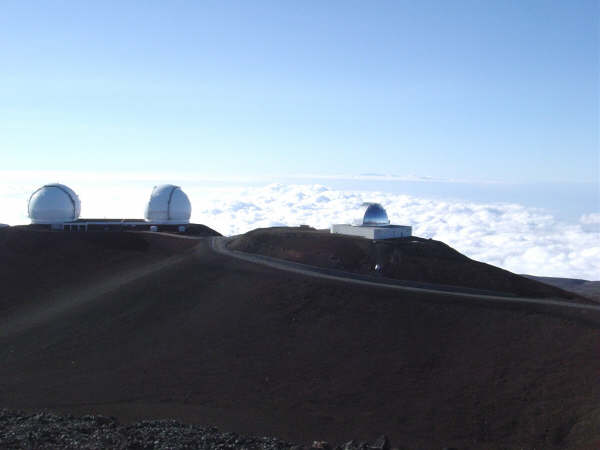 The Visitor Information Station (VIS) has a stargazing program that is held every night from 6:00pm to 10:00 pm. The program begins promptly at 6:00 pm with First Light, a video about Mauna Kea that was produced by PBS Hawaii in 2004. On Saturdays, the Visitor Station hosts many different special events. For more information on the special programs, visit the special events section.
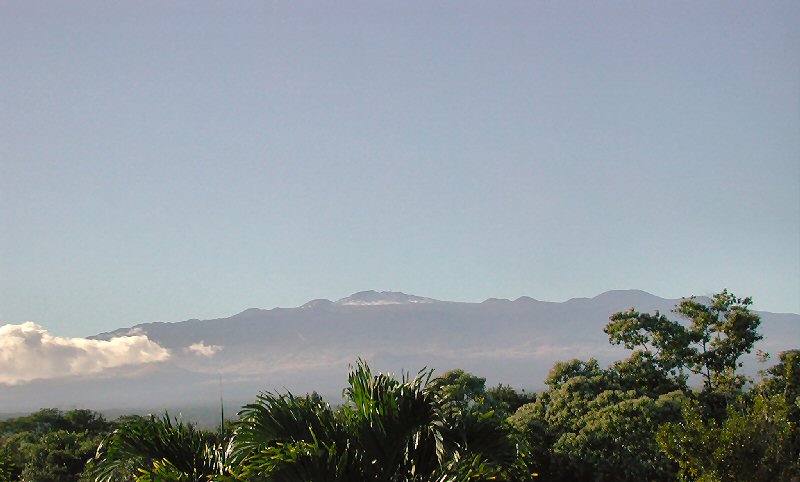 Right after the video, the stargazing program moves outside to the lanai, where telescopes are already set up for viewing. The telescopes are run by our knowledgeable staff and volunteers. The telescopes were bought by donations from the public. Throughout the night, the telescopes will be pointed at various objects in the night sky, including star clusters, double stars, nebulas, planets, galaxies, supernova remnants, supernovas and various other objects. Requests are always welcomed providing we’re in the right season. During the program, a staff or volunteer will give a constellation tour of the sky. They will point out bright objects and constellations in the sky.
 At 9,200 feet (2,800 meters), the Visitor Station is located above the clouds giving our program a crisp and bright night sky. Temperature at the VIS can range from 40 to 55 degrees Fahrenheit (4.4 to 12.8 degrees Celsius) during the summer season and 26 to 50 degrees Fahrenheit (-3.3 to 10 degrees Celsius). Please dress warmly for evening activities at the VIS.
 Important note: Make sure that there is a full tank of gas in the vehicle before making the trip up to the station. Due to the steep grade and low oxygen level, the internal combustion engine runs inefficiently. Fuel is NOT available for purchase on Mauna Kea. The nearest gas station is one hour either way at the bottom of Saddle Road (Hwy 200) in Hilo and Waimea.
For more information check out the University of Hawaii Astronomy website.
Looking to gear-up for your Hawaii trip? Check out the best prices on hiking shoes, clothing, and outdoors gear — free shipping!
 Hawaii Walks, Trails, Hikes
The most comprehensive hiking guide available to the spectacular island of Hawaii. This island has a wealth of areas to explore, including: Hawaii Volcanoes National Park, the island’s famous black sand beaches, shimmering blue bays, and remote rainforest valleys. Includes both day hikes and backpacks.
 Hawaii Trailblazer
A guide for families and outdoor adventurers alike, the 2005 Trailblazer offers detailed descriptions of 142 hikes and strolls: the peaks of Mauna Kea and Mauna Loa, the shores of Waipio Valley and Kealakekua Bay, Hawaii Volcanoes National Park, rain forests and tropical gardens, waterfalls, petroglyph fields, and the Kona Coast. 71 snorkeling and swimming spots including remote hike-to specials; 39 surfing spots: boards, bodyboarding, and body surfing; 24 bike trails for adventure cyclists: mountain, coastal, forest, pasture; 25 campgrounds and rustic cabin hideaways.
 Hawaii: The Big Island Revealed
The Ultimate Guidebook by Andrew Doughty may properly be placed among the greatest guidebooks of Hawaii. Enhanced with 39 color maps, 132 color photos, and all the secrets necessary to fulfill the desires of any tourist. Andrew Doughty enlightens the reader on the every given shop, hotel, beach and cafe that only a Hawaii native might recognize for the exceptional decency or beauty of. Strongly recommended read for travelers planning a trip to Hawaii (or for those unsure where to go once the have arrived), Hawaii: The Big Island Revealed will help to make your destination Hawaii.



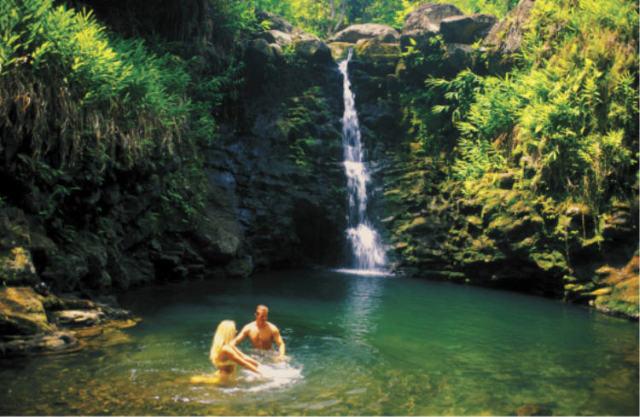 Hike
with an expert guide in Hawai'i Volcanoes National Park, in the rain
forests, deep in remote valleys, and explore hidden waterfalls
Hike
with an expert guide in Hawai'i Volcanoes National Park, in the rain
forests, deep in remote valleys, and explore hidden waterfalls
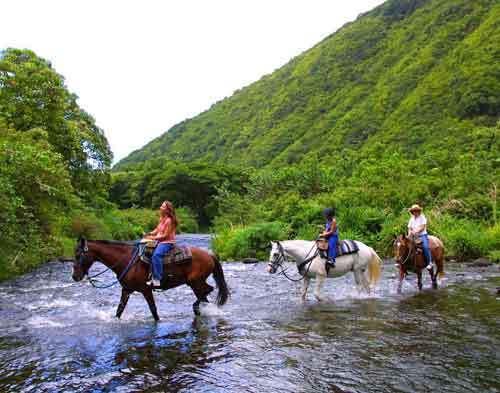 Enjoy
a picturesque Hawaiian horseback ride through the Valley of the
Kings, a lush tropical paradise of jungle trails, waterfalls, and spiritual sites.
Enjoy
a picturesque Hawaiian horseback ride through the Valley of the
Kings, a lush tropical paradise of jungle trails, waterfalls, and spiritual sites.
